Introduction: Why Water Testing Matters in Bergen County
Access to clean and safe drinking water is a fundamental expectation for homeowners, landlords, and property managers throughout Bergen County. While many residents rely on municipal water systems, a significant number of properties—particularly in suburban and semi-rural areas—depend on private wells. Regardless of the source, water quality is not something that should be assumed. Changes in infrastructure, environmental conditions, and plumbing systems can all impact the safety and usability of water over time.
Professional water testing services provide the most reliable method for identifying contaminants that may not be visible or detectable through taste or odor. Certified laboratories analyze water samples using advanced testing methods, ensuring that results are accurate and aligned with regulatory standards. Whether testing is performed for routine monitoring, property transactions, or troubleshooting specific issues, it plays a critical role in maintaining safe water conditions.
In Bergen County, water testing is especially important due to the combination of aging infrastructure, naturally occurring groundwater contaminants, and increasing awareness of emerging pollutants such as PFAS. Understanding these risks—and addressing them through professional testing—is essential for protecting both health and property value.
Understanding Water Sources in Bergen County
Water in Bergen County comes from two primary sources: municipal water systems and private wells. Each source has unique characteristics and potential risks, which makes tailored testing strategies essential.
Municipal water is treated and monitored by local utilities before being distributed to homes and businesses. These systems are regulated under federal and state guidelines, ensuring that water leaving treatment facilities meets established safety standards. However, once water enters the distribution network, it may be affected by factors such as pipe corrosion, infrastructure age, and localized plumbing conditions. This means that water quality at the tap may differ from what is reported at the treatment plant.
Private wells, on the other hand, draw water directly from underground aquifers. While this can provide a reliable and independent water source, it also places full responsibility for water quality on the property owner. Groundwater is vulnerable to contamination from natural geological elements, septic systems, surface runoff, and environmental pollutants. Because private wells are not regulated in the same way as municipal systems, routine testing is essential.
Professional water testing companies evaluate these differences and recommend appropriate testing panels based on the property’s water source. This ensures that both municipal and well users receive accurate and relevant water quality information.
Common Water Contaminants in Bergen County
Water quality concerns in Bergen County vary depending on location, infrastructure, and environmental factors. Some contaminants are naturally occurring, while others are introduced through human activity or system deterioration.
Bacterial Contamination
Bacteria such as coliform and E. coli are among the most common concerns, particularly in private well systems. These microorganisms can enter water through surface contamination, septic system leaks, or poor well construction. Because bacteria cannot be detected without laboratory testing, routine potability testing is essential.
Heavy Metals
Lead and copper contamination is often linked to plumbing systems, especially in older homes. Corrosion within pipes can cause these metals to leach into drinking water, posing long-term health risks.
Arsenic and Groundwater Minerals
Arsenic is a naturally occurring element found in some groundwater sources. It is colorless, odorless, and tasteless, making laboratory testing the only reliable detection method. Iron and manganese are also common in groundwater and can cause staining, discoloration, and unpleasant taste.
PFAS and Emerging Contaminants
PFAS chemicals have become a growing concern across northern New Jersey. These persistent compounds can accumulate in water sources and require specialized testing methods for detection.
Aesthetic Issues
Taste, odor, and discoloration may indicate underlying water quality problems. While not always harmful, these issues often signal the presence of minerals, bacteria, or chemical imbalances.
Professional water testing services provide comprehensive analysis to identify these contaminants and determine appropriate solutions.
The Role of Professional Water Testing Services
Professional water testing services play a crucial role in ensuring accurate and reliable water quality assessments. Unlike basic home test kits, which provide limited information, certified testing involves a structured process that includes sample collection, laboratory analysis, and expert interpretation.
Certified Sampling Procedures
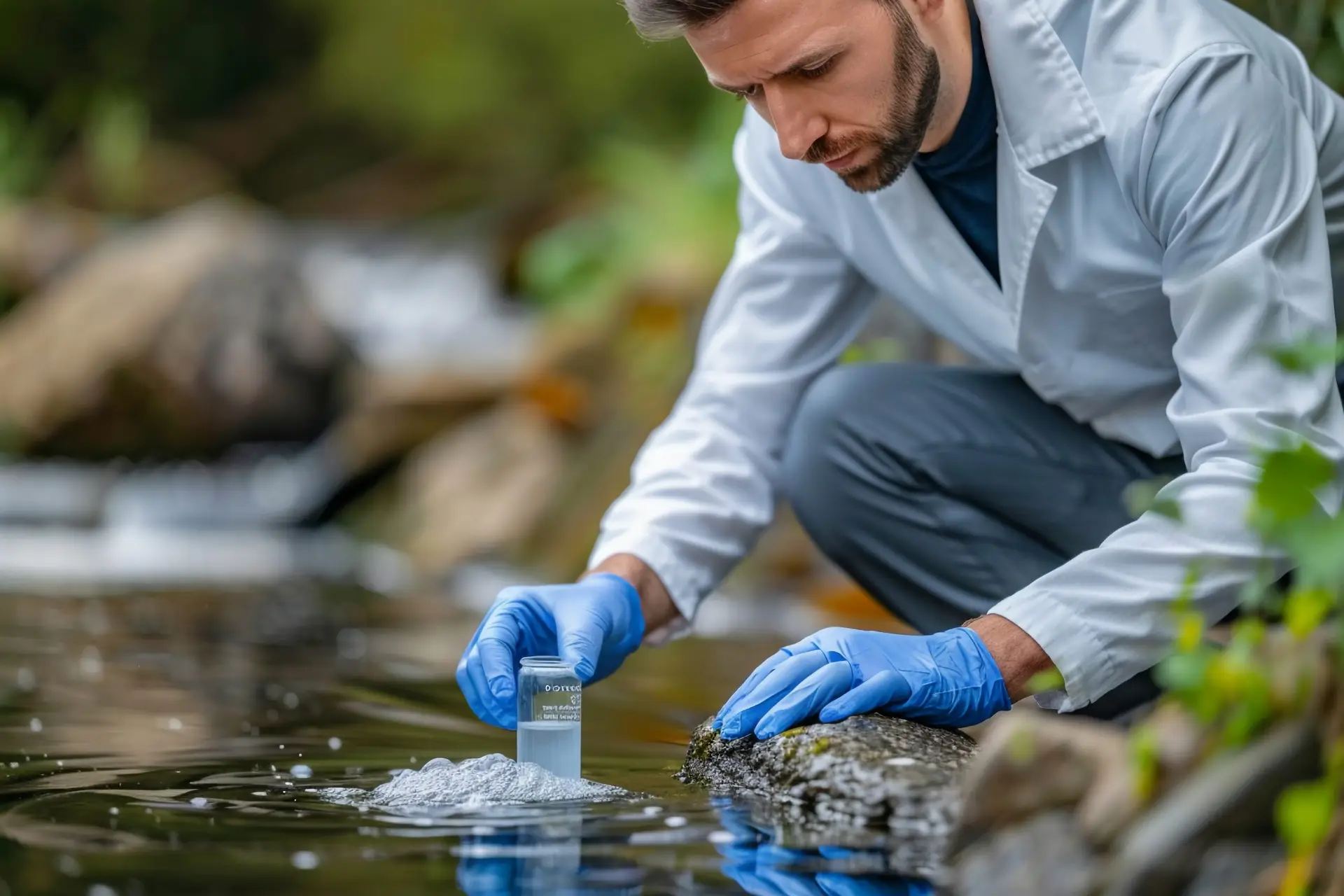
Proper sample collection is essential for accurate results. Certified technicians use sterile containers and follow strict protocols to prevent contamination. Time-sensitive handling is particularly important for bacteria testing, where delays can affect accuracy.
Laboratory Analysis
Samples are analyzed in certified laboratories using advanced techniques designed to detect a wide range of contaminants. These laboratories follow standardized methods to ensure consistency and reliability in results.
Expert Interpretation
Water quality consultants review laboratory findings and provide recommendations based on the specific conditions of the property. This may include treatment options, system improvements, or ongoing monitoring strategies.
By combining scientific analysis with professional expertise, water testing services provide a complete understanding of water quality conditions.
Water Testing for Real Estate Transactions (PWTA)
In Bergen County, water testing is a critical component of real estate transactions involving private wells. The Private Well Testing Act (PWTA) requires that water be tested prior to the sale or transfer of a property, ensuring transparency between buyers and sellers.
Testing must be conducted by certified laboratories, and results must be shared with all parties involved in the transaction. This process includes chain of custody documentation, which verifies the integrity of the sample from collection through analysis.
Professional water testing companies manage the entire process, ensuring compliance with regulations and helping facilitate a smooth closing. For buyers, testing provides confidence in the property’s water quality, while sellers benefit from meeting legal requirements and avoiding delays.
Advanced Testing for PFAS and Emerging Contaminants
Emerging contaminants such as PFAS require specialized testing methods that go beyond standard water analysis. These compounds are present at extremely low concentrations and require advanced laboratory techniques for accurate detection.
PFAS testing involves strict sampling procedures to prevent contamination and ensure reliable results. Certified laboratories use sophisticated equipment to measure these compounds and compare findings to regulatory guidelines.
As awareness of PFAS continues to grow, more property owners are including this testing as part of comprehensive water quality assessments. Professional water testing services provide guidance on whether PFAS testing is appropriate based on location and potential exposure risks.
How Often Should Water Be Tested?
The frequency of water testing depends on the water source and specific property conditions.
- Private wells: Annual testing for bacteria and basic parameters, with additional testing every few years for metals and other contaminants
- Municipal water: Testing recommended when changes in taste, odor, or plumbing occur
- Real estate transactions: Testing required under PWTA guidelines
- After environmental events: Flooding, construction, or system repairs
Regular testing ensures early detection of potential issues and helps maintain consistent water quality over time.
Benefits of Regular Water Testing
Routine water testing offers several key benefits for Bergen County homeowners and property managers:
- Health Protection: Identifies harmful contaminants that may pose health risks
- Regulatory Compliance: Ensures adherence to PWTA and other requirements
- Property Value: Supports transparency in real estate transactions
- System Efficiency: Helps prevent damage to plumbing and appliances
- Peace of Mind: Provides confidence in the safety of drinking water
By investing in professional water testing services, property owners can proactively manage water quality and avoid costly issues in the future.
Choosing the Right Water Testing Company
Selecting a qualified water testing provider is essential for accurate results and reliable service. Property owners should look for:
- Certified laboratories and accredited testing methods
- Experienced water quality consultants
- Clear reporting and documentation
- Compliance with sampling and chain of custody procedures
- Knowledge of Bergen County-specific water issues
Working with a reputable provider ensures that testing is conducted professionally and that results can be trusted for decision-making.
Conclusion: Protecting Water Quality in Bergen County
Water quality is an essential aspect of maintaining a safe and healthy living environment in Bergen County. Whether a property relies on municipal water or a private well, professional water testing services provide the tools needed to identify and address potential issues.
From bacteria and heavy metals to arsenic and PFAS, a wide range of contaminants can impact water safety and usability. Certified laboratory analysis, combined with expert guidance from experienced consultants, ensures that these risks are properly evaluated and managed.
Regular testing is not just a regulatory requirement—it is a proactive step toward protecting health, preserving property value, and ensuring long-term water quality. By partnering with professional water testing companies, Bergen County residents can make informed decisions and maintain confidence in their drinking water.