
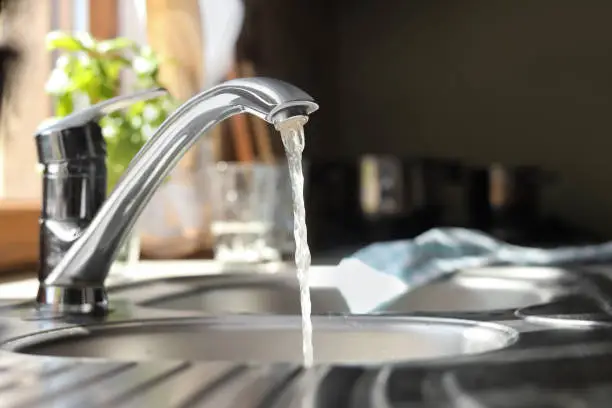
When homeowners think about water testing, the most natural step is to pick one faucet—usually the kitchen sink—and assume it represents the entire property. It’s convenient, quick, and easy to sample.
But in real plumbing systems, convenience doesn’t equal accuracy.
In Bergen County homes and buildings, one faucet rarely tells the full story of water quality because water behaves differently depending on where it travels, how long it sits, and what materials it passes through.
Why a Single Faucet Can Be Misleading
A single tap only reflects one point in a much larger system. That point may not represent:
- Other rooms in the home
- Upper vs lower floors
- Recently used vs rarely used fixtures
- Different plumbing branches
Water quality can vary significantly even within the same building.
This is why relying on a single sample can lead to incomplete or misleading conclusions.
Plumbing Systems Are Not Uniform
One of the biggest misconceptions is that all faucets receive identical water. In reality, plumbing systems are made up of multiple branches and materials.
Within one property, water may pass through:
- Copper pipes in one section
- PEX or plastic lines in another
- Older galvanized steel in hidden areas
- Mixed fittings and connectors installed over time
Each material interacts differently with water.
That means two faucets in the same building can produce different results—even when used at the same time.
This is why broader evaluation through water testing services is often recommended instead of single-point sampling.
Stagnation Changes Everything
Another major factor is water stagnation.
Water sitting inside pipes for hours—or even days—can:
- Absorb metals from pipe walls
- Develop slight changes in taste or odor
- Show different bacterial conditions
- Accumulate sediment in low-flow areas
A rarely used bathroom sink may produce very different results compared to a kitchen faucet used daily.
This variation is often invisible unless multiple sampling points are tested.
Different Faucets, Different Plumbing Paths
Each faucet in a building is connected to its own branch line. These branches may differ in:
- Length of pipe run
- Age of plumbing material
- Exposure to corrosion
- Usage frequency
For example:
- A basement utility sink may be connected to older pipes
- A renovated kitchen may have newer plumbing lines
- An upstairs bathroom may sit at the end of a long pipe run
These differences affect water quality before it even reaches the tap.
Why Location Within the Building Matters
Water behaves differently depending on where it is sampled in a structure.
Common variations include:
- Upper floors may experience lower pressure or longer travel time
- Lower floors may receive water earlier in the distribution path
- End-of-line fixtures may show more stagnation effects
This is especially important in older or multi-level homes across Bergen County, where plumbing systems have been modified over time.
Understanding these variations helps explain broader Bergen County water issues that affect many properties differently.
The Problem With “Kitchen Sink Only” Testing
The kitchen sink is often chosen as the default sampling point because it is:
- Easy to access
- Frequently used
- Close to drinking water use
However, it is not always the most representative location.
In many homes:
- Kitchen plumbing may be partially updated
- Filters may already be installed
- It may have different usage patterns than other areas
This can lead to results that look better—or worse—than the rest of the home.
How Sample Bias Happens
Sample bias occurs when one location is assumed to represent an entire system.
This can happen when:
- Only one faucet is tested
- The same fixture is always used for testing
- Results are not compared across locations
The risk is that decisions are made based on incomplete information.
For example:
- A clean kitchen result may hide issues in bathrooms
- A problem in one sink may not reflect system-wide conditions
- Localized plumbing upgrades may skew perception
This is why structured sampling is important in real estate water testing, where full property understanding matters.
What Better Sampling Looks Like
A more reliable approach includes multiple sampling points across the property.
A well-designed plan may include:
- Kitchen sink (primary use point)
- Bathroom sink (secondary branch line)
- Basement or utility faucet (older plumbing section)
- Upper-floor fixtures (longer pipe runs)
Each sample adds a piece of the overall picture.
Why Water Can Differ Within Minutes
Even timing matters when collecting samples.
Two faucets sampled at the same time may still show differences because:
- Water reached each point at different times
- One line may have been recently used
- Another may have been stagnant
This is why water testing is not just about where you sample—but also how and when you sample.
The Role of Pipe Materials in Variation
Different plumbing materials react differently with water:
- Copper may release trace metals over time
- Older galvanized pipes may contribute rust particles
- Plastic lines behave more neutrally but still vary based on flow
When multiple materials exist in one property, variation between faucets becomes even more likely.
Why One Result Doesn’t Explain the System
A single test result answers only one question: What was happening at that specific point in time and location?
It does not explain:
- System-wide conditions
- Hidden plumbing issues
- Variations across the property
- Long-term trends
That’s why certified testing is more valuable when it includes multiple samples and context rather than isolated readings.
How Professionals Design Better Testing Plans
A professional approach considers:
- Building layout
- Plumbing age and material
- Usage patterns
- Known problem areas
- Water flow direction
This leads to more accurate and meaningful results.
A structured approach also helps identify whether issues are localized or system-wide, which is especially important during water testing services evaluations.
Why Homeowners Often Misinterpret Results
When only one faucet is tested, homeowners may:
- Overestimate safety based on one clean result
- Panic over a localized issue
- Miss early signs of broader system problems
Without comparison points, interpretation becomes guesswork.
The Value of Comparative Results
When multiple faucets are tested, patterns begin to appear:
- Consistent results across all points suggest system-wide stability
- Variation between points suggests localized plumbing issues
- Outliers highlight specific problem areas
This comparison is what transforms raw data into useful insight.
When Multiple Sampling Becomes Essential
Multi-point testing is especially important in:
- Older homes with mixed plumbing systems
- Multi-floor buildings
- Recently renovated properties
- Homes with inconsistent water quality complaints
In these cases, a single faucet is rarely enough to understand the full picture.
Connecting Sampling to Real-World Decisions
Better sampling leads to better decisions, such as:
- Whether plumbing repairs are needed
- If filtration systems should be installed
- Whether issues are local or system-wide
- How urgent a problem actually is
Without proper sampling, these decisions may be based on incomplete information.
Local Context in Bergen County
Many homes in Bergen County have undergone partial upgrades over time, meaning plumbing systems are often a mix of old and new infrastructure.
This makes variation between faucets even more likely. Homeowners exploring service locations often discover that testing approaches vary depending on property type and age.
Taking the Right Approach
Instead of relying on a single faucet, a better approach includes:
- Multiple sampling points
- Consideration of plumbing layout
- Understanding usage patterns
- Professional interpretation of results
This creates a more accurate and complete water profile.
If homeowners are unsure how to structure testing, the FAQ section can provide additional guidance.
Final Thoughts
One faucet can provide a snapshot—but not the full story.
In Bergen County homes and buildings, water moves through complex and varied plumbing systems. Each fixture represents only one part of that system, not the entire picture.
Real understanding comes from comparing multiple points, identifying patterns, and interpreting results in context.
Because when it comes to water quality, accuracy doesn’t come from convenience—it comes from coverage.