
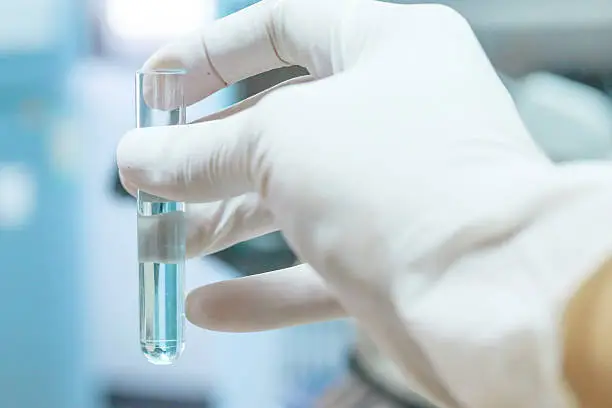
Commercial buildings in Paramus are not simple systems. Unlike a single-family home, one property can support offices, retail stores, storage areas, food service spaces, and multiple shared restrooms—all under one roof. Each of these uses places a different kind of demand on the plumbing system.
That complexity matters because water quality is not shaped by plumbing alone—it is shaped by how the building is actually used every day.
A standard “one-sample” approach often misses that reality. That’s why commercial properties benefit more from structured, use-based testing rather than a single convenient sample point.
Why Commercial Water Systems Are More Complex
In residential homes, water usage is relatively predictable. In commercial properties, it is not.
A single Paramus building might include:
- Employee break rooms
- Public restrooms
- Retail customer areas
- Cleaning and maintenance stations
- Food or beverage service zones
Each of these areas uses water differently, at different times, and in different volumes.
This creates uneven flow patterns inside the plumbing system, which can affect:
- Water age (how long water sits in pipes)
- Pressure fluctuations
- Sediment movement
- Contaminant distribution
That’s why commercial systems require more than a basic testing approach.
The Problem With Single-Point Sampling
Many basic water tests rely on one sample taken from one location. While this may work for simple systems, it often fails in commercial environments.
A single sample point can miss:
- Variations between floors
- Differences between restrooms and kitchen areas
- Stagnation in low-use zones
- Localized plumbing issues
This can lead to incomplete conclusions about overall water quality.
Instead, commercial testing should reflect actual usage patterns across the building, not just one easy access point.
This is why many property managers rely on structured water testing services designed for more complex systems.
How Building Usage Affects Water Quality
Water inside a commercial building does not behave consistently. It changes based on how and where it is used.
For example:
- High-traffic restrooms may have constant water flow
- Storage areas may have little or no usage for long periods
- Staff kitchens may experience intermittent demand
- Cleaning systems may create sudden pressure changes
These differences affect how water moves through the system and how long it stays in pipes.
When water remains stagnant in certain areas, it can:
- Increase sediment buildup
- Encourage corrosion in older pipes
- Affect taste, clarity, or odor
Why Paramus Commercial Properties Need Tailored Testing
Paramus has a large number of commercial buildings, including retail centers, office complexes, and mixed-use properties. These buildings are often renovated over time rather than fully rebuilt.
That means many properties have:
- Mixed plumbing systems
- Partial upgrades
- Shared supply lines across multiple units
- Aging infrastructure behind modern interiors
This combination makes water behavior more difficult to predict.
Understanding broader regional factors like Bergen County water issues helps explain why localized testing is so important.
Multiple Use Zones Require Multiple Sample Points
In commercial water testing, location matters.
A proper testing plan may include sampling from:
- Main building supply line
- Upper-floor restrooms
- Ground-floor customer areas
- Staff-only facilities
- Specialty-use zones (like kitchens or service areas)
Each location can reveal different aspects of system performance.
This approach provides a more accurate representation of real building conditions compared to a single tap sample.
What Commercial Water Testing Typically Evaluates
A professional commercial water analysis usually covers multiple categories:
Metals
Lead, copper, and iron can indicate corrosion or aging infrastructure.
Bacteria
Microbiological testing helps identify contamination risks in shared systems.
Chemical Contaminants
Substances like PFAS are increasingly monitored due to long-term health concerns.
Water Chemistry
Factors like pH and hardness affect both plumbing stability and equipment lifespan.
Corrosion Indicators
These help identify whether the plumbing system is actively deteriorating.
For properties involved in leasing or sales, these results are often part of real estate water testing evaluations.
How Usage Patterns Influence Results
One of the most important differences in commercial buildings is timing.
Water quality can vary depending on:
- Peak business hours
- Overnight stagnation
- Weekend shutdown periods
- Seasonal occupancy changes
For example:
- A retail store may use water heavily during the day but not at night
- Office buildings may experience long periods of low flow overnight
- Food service areas may have concentrated usage during specific hours
These patterns can significantly affect test results if not properly considered.
Why One-Time Testing Isn’t Enough for Commercial Spaces
In commercial properties, water quality is not static. It changes with usage, occupancy, and system load.
A single test may capture:
- A peak usage condition
- A low usage condition
- Or a temporary fluctuation
But it does not show patterns over time.
That’s why ongoing or structured testing is often more useful than a one-time snapshot.
The Role of Plumbing Age in Commercial Buildings
Many Paramus commercial properties have been renovated multiple times over the years. However, internal plumbing systems are not always fully replaced during renovations.
This leads to:
- Mixed piping materials
- Partial system upgrades
- Hidden older infrastructure
- Inconsistent flow behavior
Older plumbing sections can affect newer ones, especially in shared systems.
Why Sampling Strategy Matters
In commercial water testing, how you sample is just as important as what you sample.
A strong strategy considers:
- Building layout
- Water usage intensity
- Plumbing design
- Occupancy patterns
Without this structure, results may not reflect real-world conditions.
What Property Managers Gain From Better Testing
For building owners and managers, structured water testing provides:
- Clear understanding of system-wide water quality
- Early detection of plumbing issues
- Better maintenance planning
- Reduced tenant complaints
- Improved compliance documentation
It also helps support long-term asset value by identifying problems early.
How Tenants Experience Water Issues Differently
In commercial buildings, tenants may experience water quality differently depending on their location.
For example:
- One tenant may notice discoloration
- Another may report taste changes
- Another may experience pressure or flow issues
Without a full building-wide assessment, these issues can appear unrelated when they are actually connected.
Why Professional Interpretation Is Critical
Commercial water testing is not just about collecting samples—it’s about interpreting patterns.
A professional report helps determine:
- Whether issues are localized or system-wide
- If problems are temporary or ongoing
- Whether plumbing or supply changes are needed
Without interpretation, raw data can be misleading.
If building managers have questions, the FAQ section can provide additional clarity.
Building a Smarter Testing Approach
A strong commercial testing program should:
- Use multiple sampling points
- Reflect real usage conditions
- Include chemical and biological analysis
- Be repeated over time when needed
This creates a more reliable understanding of how the system behaves in real operation.
Local Context Matters
Paramus commercial properties do not operate in isolation. They are part of a broader regional water system influenced by infrastructure, aging pipes, and environmental conditions.
Many property managers also review service locations to ensure consistent testing support across multiple properties.
Taking the Right Next Step
For commercial property owners, water testing is not just a compliance task—it is a management tool.
If your testing approach is based on a single sample or outdated method, it may not reflect how your building actually functions.
A more structured approach provides clearer answers and better long-term decisions.
If you want to improve your water testing strategy, you can contact a water testing expert for a commercial assessment.
Final Thoughts
Commercial properties in Paramus operate under complex and constantly changing water demands. A single sample cannot capture that reality.
Water testing needs to match how the building is actually used—not just how easily it can be sampled.
When testing reflects real-world usage, it becomes more than a compliance step. It becomes a tool for protecting building performance, tenant satisfaction, and long-term infrastructure health.